El Podcast Perdido de Aponte
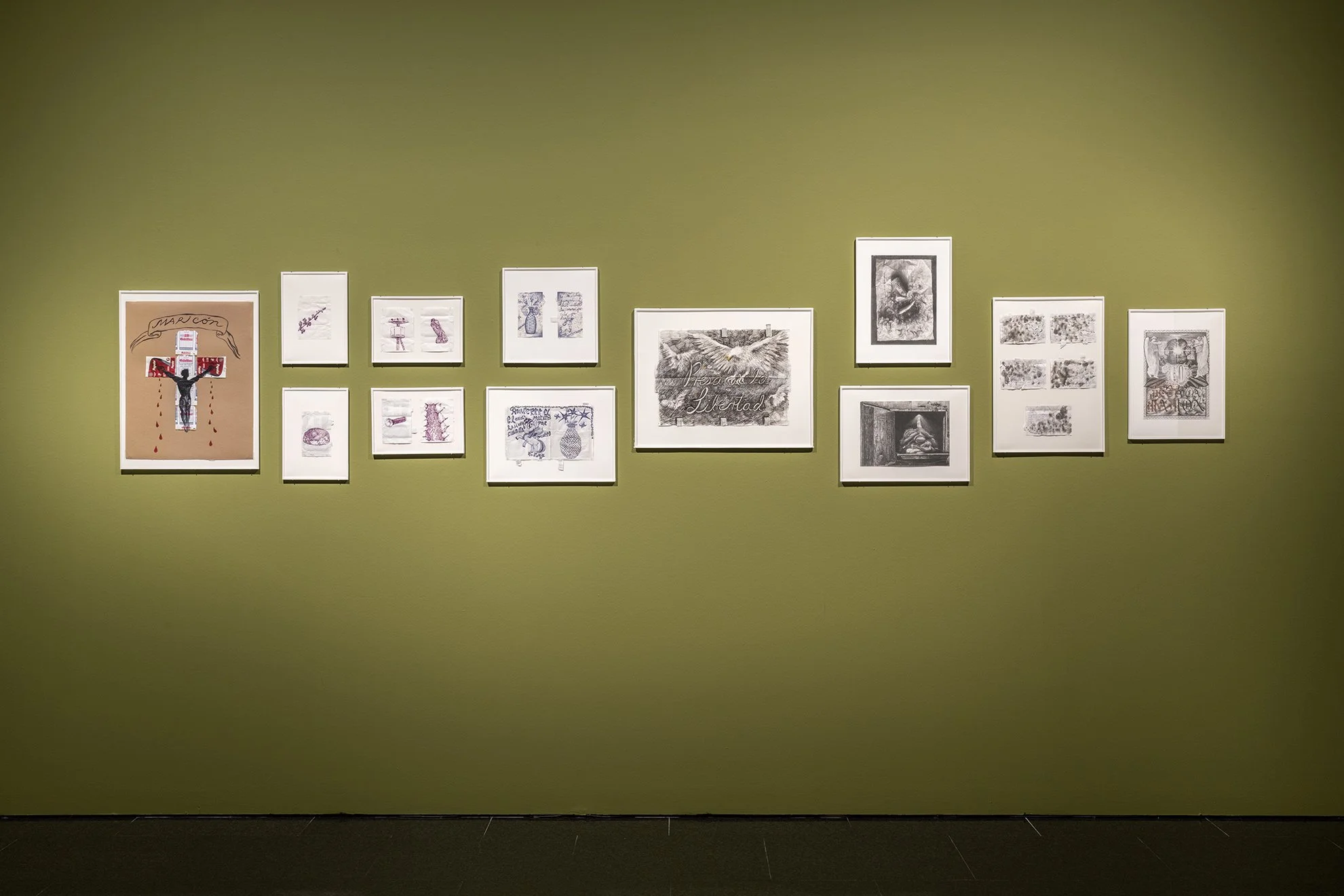
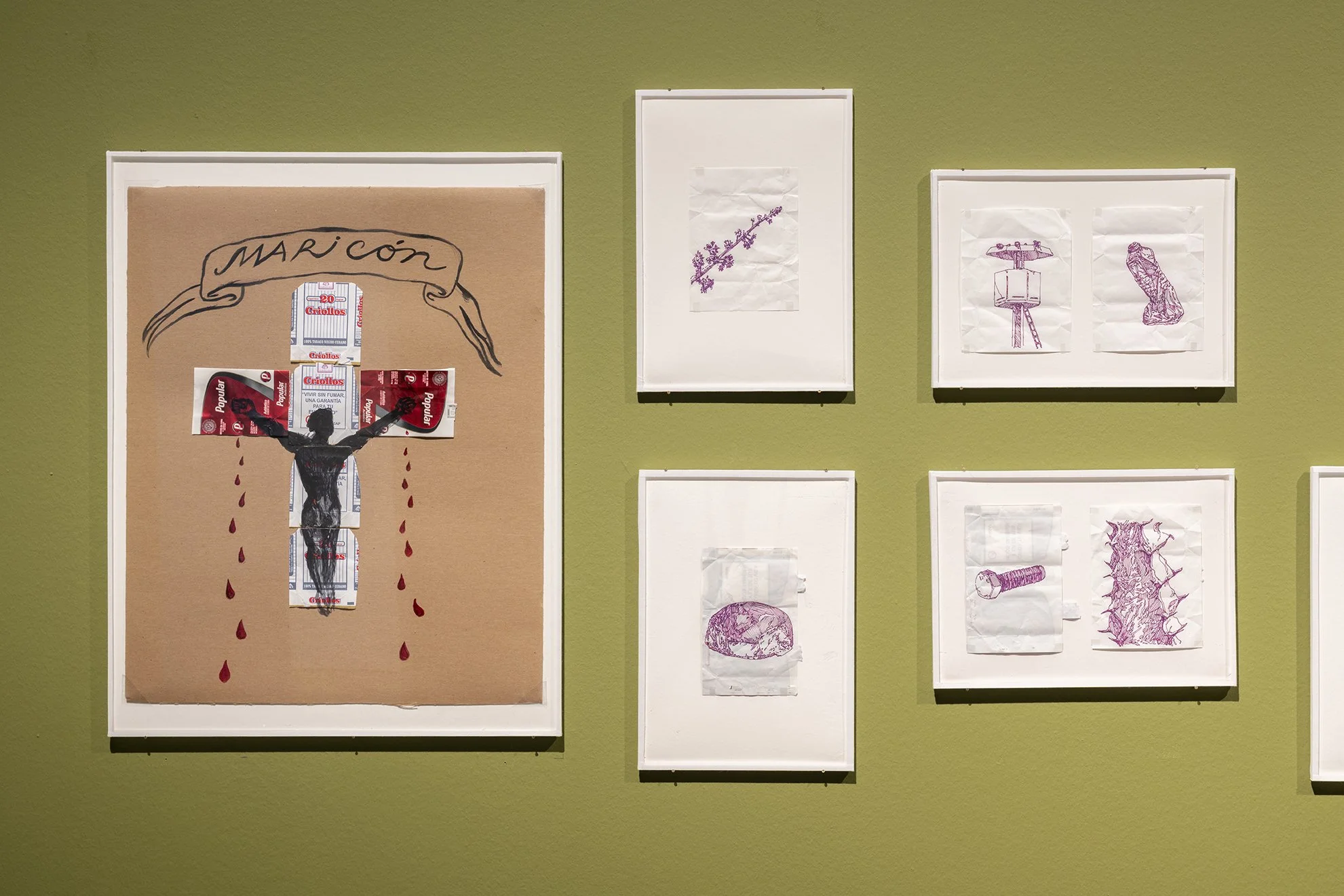
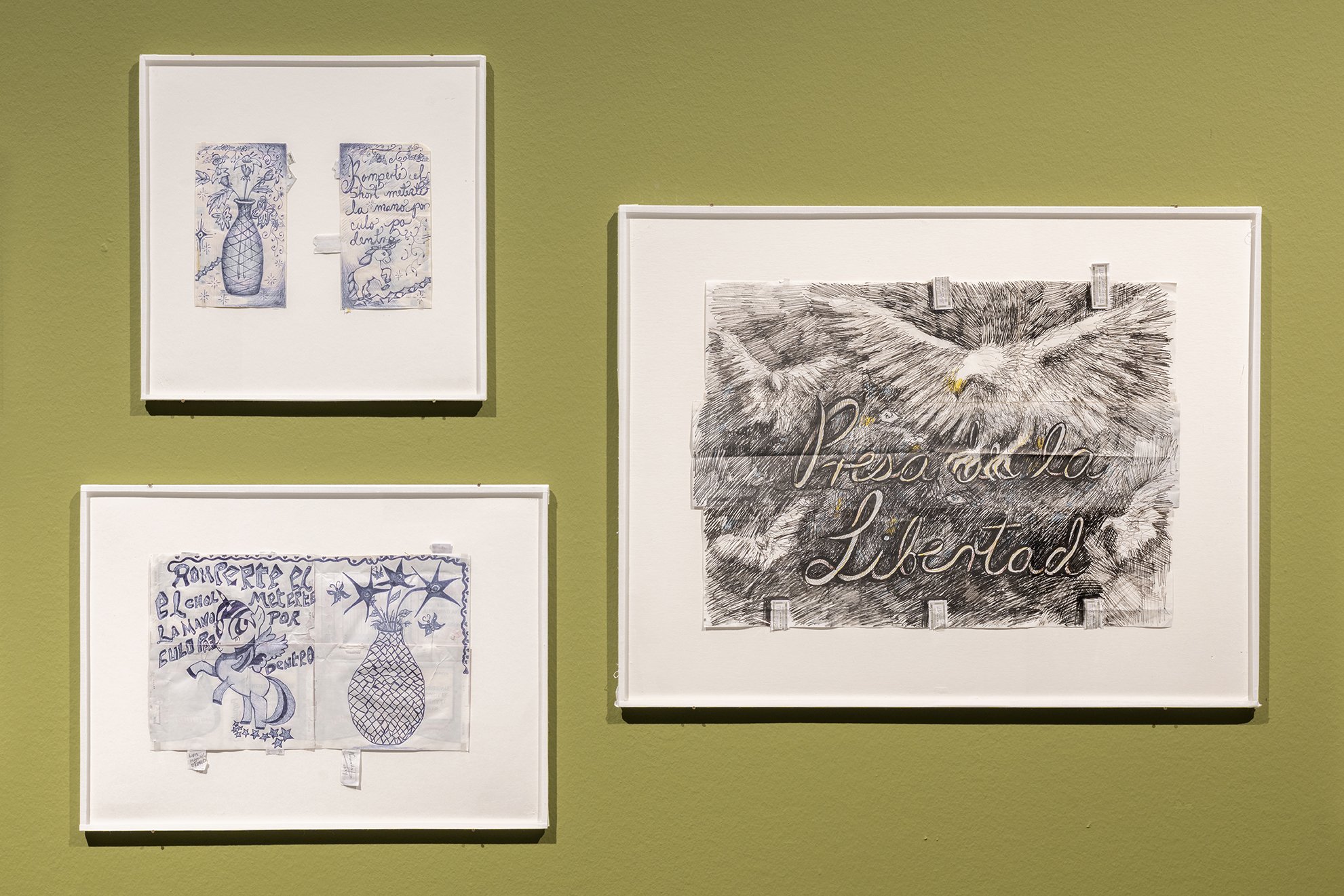
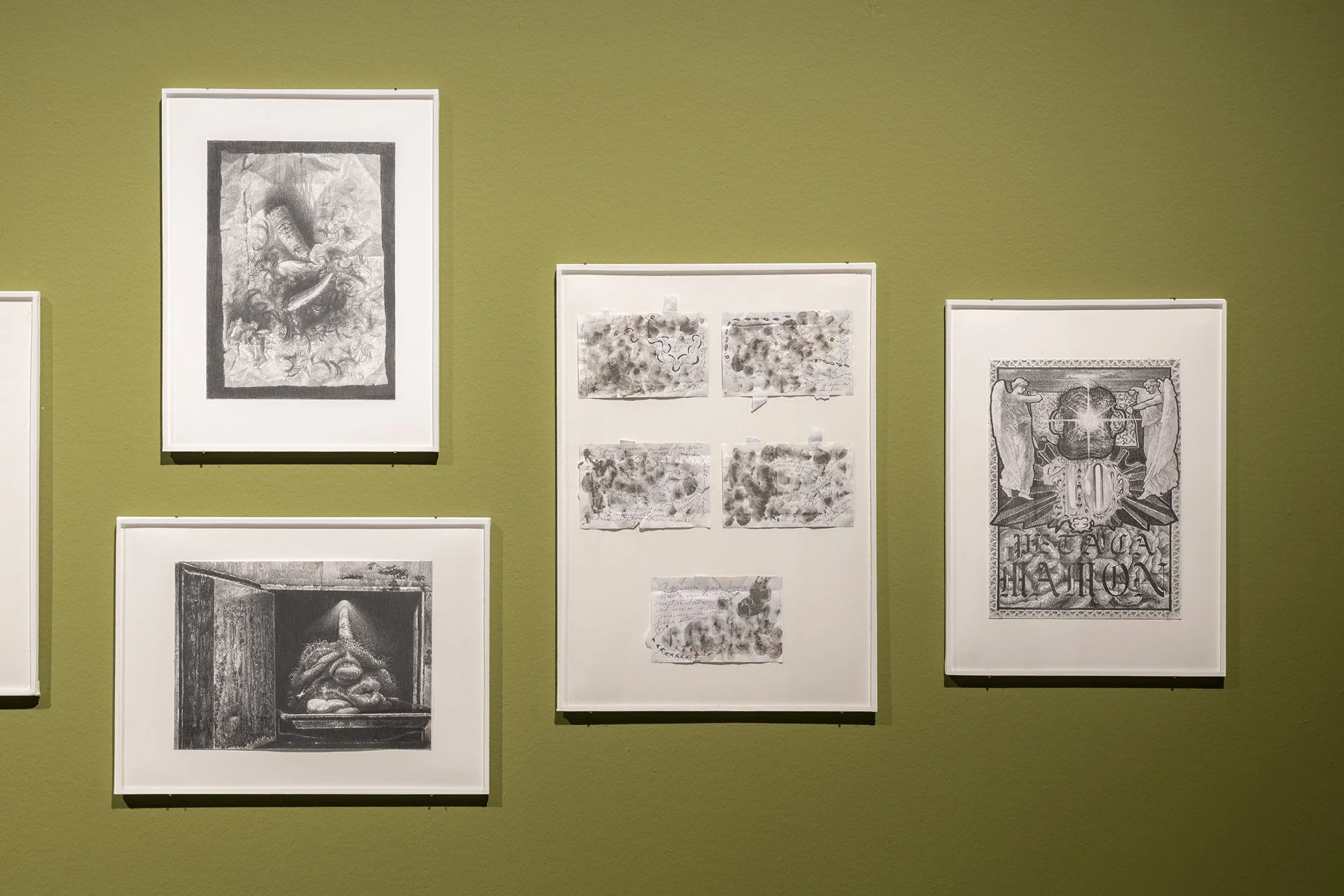
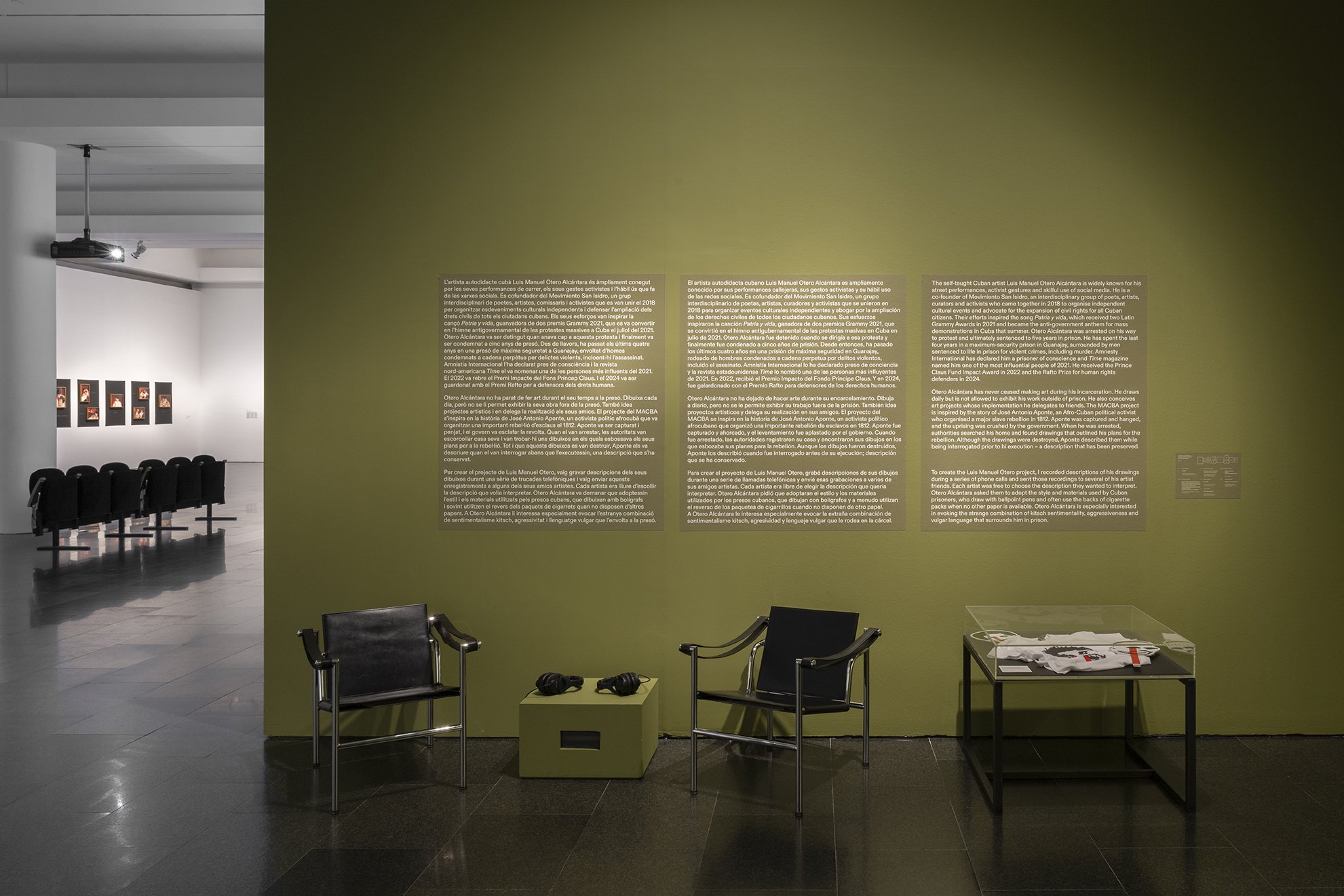
Activist Proyect with the Cuban Artist and Political Prisoner Luis Manuel Otero Alcántara, 2025
Title: Aponte’s Lost Podcast
The self-taught Cuban artist Luis Manuel Otero Alcántara widely known for his street performance, activist gestures and his deft use of social media. He is the co-founder of the San Isidro Movement, an interdisciplinary group of poets, artists, curators and activists that came together in 2018 to organize independent cultural events and advocate for expanded civil rights for all Cuban citizens. Their endeavors inspired the Grammy award winning song Patria y Vida, which became the anti-governmental anthem of the mass protests in Cuba in July 2021. Otero Alcántara was arrested on his way to that protest and was eventually sentenced to five years imprisonment. He has spent the last four years in a maximum-security prison in Guanajay, surrounded by men serving life sentences for violent crimes, including murder. He has declared a prisoner of conscience by Amnesty International; he was named one of Time Magazines Most Influential People in 2021. In 2022, he received the Prince Claus Impact Award. In 2024, he was awarded the Rafto Prize for human rights defenders.
Otero Alcántara has not stopped making art during his incarceration. He draws daily but he is not allowed to exhibit his work outside the prison. He also devises art projects and delegates their making to his friends. The project at MACBA was inspired by the story of José Antonio Aponte, a Black Cuban political activist who organized an important slave rebellion in 1812. Aponte was caught and hanged, and the uprising was crushed by the government. When Aponte was arrested, the authorities searched his home and found his drawings outlining his plans for the rebellion. Although the drawings were destroyed, Aponte described them when he was interrogated before his execution, and a written record remains.
To create Luis Manuel Otero’s project, I recorded descriptions of his drawings during a series of phone calls and sent those recordings to several of his artist friends. Each artist was free to choose the description that they wanted to interpret. Otero Alcántara asked that they adopt the style and materials used by Cuban prisoners, who draw with ball point pens and often use the backs of cigarette packets when other paper is not available. Otero Alcántara is particularly interested in evoking the strange combination of kitsch sentimentality, aggressivity and vulgar language that surrounds him in the prison.
Coco Fusco
Proyecto activista con el artista y preso político cubano Luis Manuel Otero Alcántara
Título: El podcase perdido de Aponte
El artista autodidacta cubano Luis Manuel Otero Alcántara es ampliamente conocido por sus performances callejeros, sus gestos activistas y su hábil uso de las redes sociales. Es cofundador del Movimiento San Isidro, un grupo interdisciplinario de poetas, artistas, curadores y activistas que se unieron en 2018 para organizar eventos culturales independientes y abogar por la ampliación de los derechos civiles de todos los ciudadanos cubanos. Sus esfuerzos inspiraron la canción Patria y Vida, ganadora de dos premios Grammy, que se convirtió en el himno antigubernamental de las protestas masivas en Cuba en julio de 2021. Otero Alcántara fue detenido cuando se dirigía a esa protesta y finalmente fue condenado a cinco años de prisión. Ha pasado los últimos cuatro años en una prisión de máxima seguridad en Guanajay, rodeado de hombres condenados a cadena perpetua por delitos violentos, incluido el asesinato. Ha sido declarado preso de conciencia por Amnistía Internacional; fue nombrado una de las personas más influyentes de 2021 por la revista estadounidense Time. En 2022, recibió el Premio “Impacto” del Fondo Príncipe Claus. En 2024, fue galardonado con el Premio Rafto para defensores de los derechos humanos.
Otero Alcántara no ha dejado de hacer arte durante su encarcelamiento. Dibuja a diario, pero no se le permite exhibir su trabajo fuera de la prisión. También idea proyectos artísticos y delega su realización en sus amigos. El proyecto del MACBA se inspiró en la historia de José Antonio Aponte, un activista político afrocubano que organizó una importante rebelión de esclavos en 1812. Aponte fue capturado y ahorcado, y el levantamiento fue aplastado por el gobierno. Cuando Aponte fue arrestado, las autoridades registraron su casa y encontraron sus dibujos en los que esbozaba sus planes para la rebelión. Aunque los dibujos fueron destruidos, Aponte los describió cuando fue interrogado antes de su ejecución, y queda constancia escrita.
Para crear el proyecto de Luis Manuel Otero, grabé descripciones de sus dibujos durante una serie de llamadas telefónicas y envié esas grabaciones a varios de sus amigos artistas. Cada artista era libre de elegir la descripción que quería interpretar. Otero Alcántara pidió que adoptaran el estilo y los materiales utilizados por los presos cubanos, que dibujan con bolígrafos y a menudo utilizan el reverso de los paquetes de cigarrillos cuando no disponen de otro papel. A Otero Alcántara le interesa especialmente evocar la extraña combinación de sentimentalismo kitsch, agresividad y lenguaje vulgar que le rodea en la cárcel.
Coco Fusco