The Eternal Night/La Noche Eterna
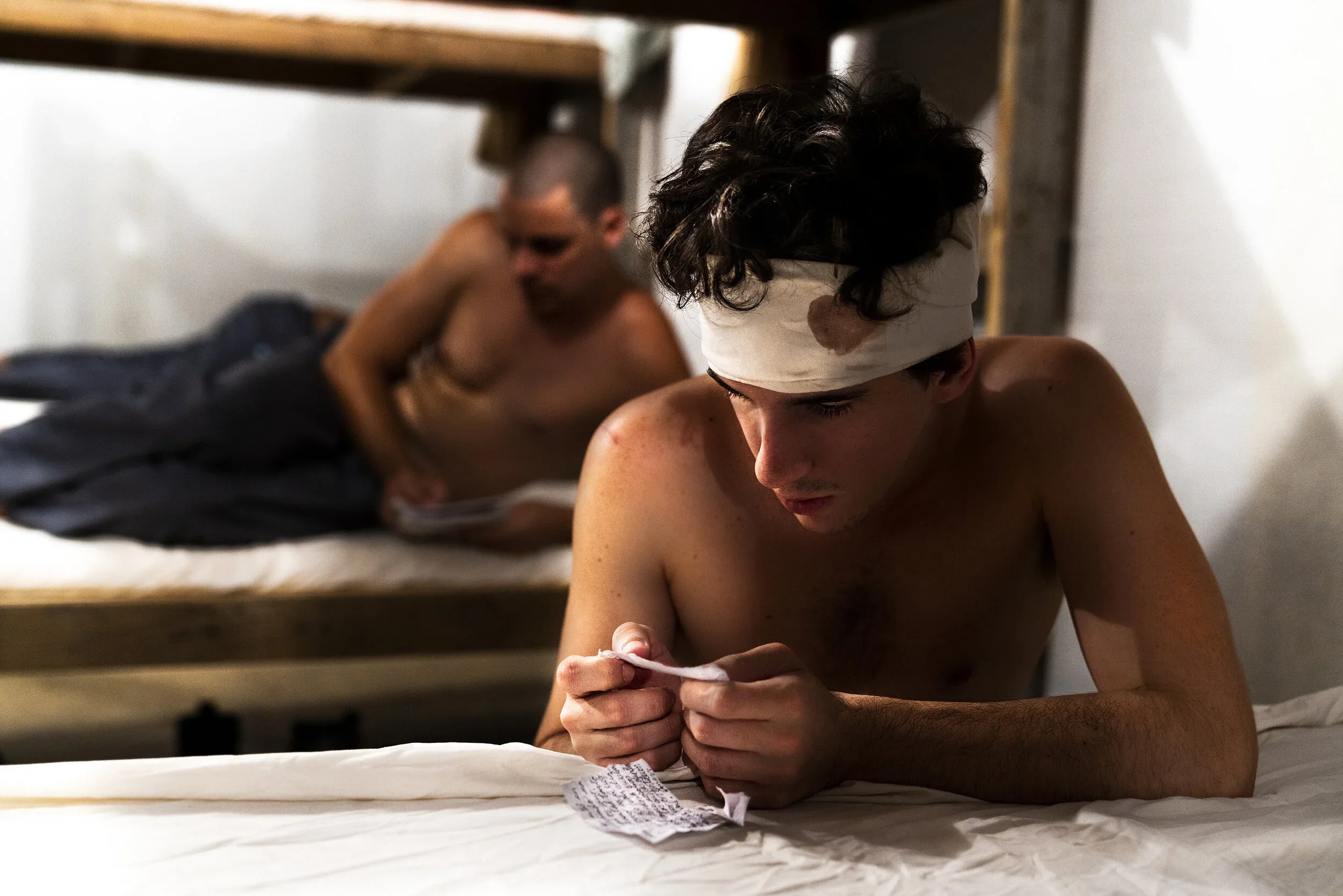
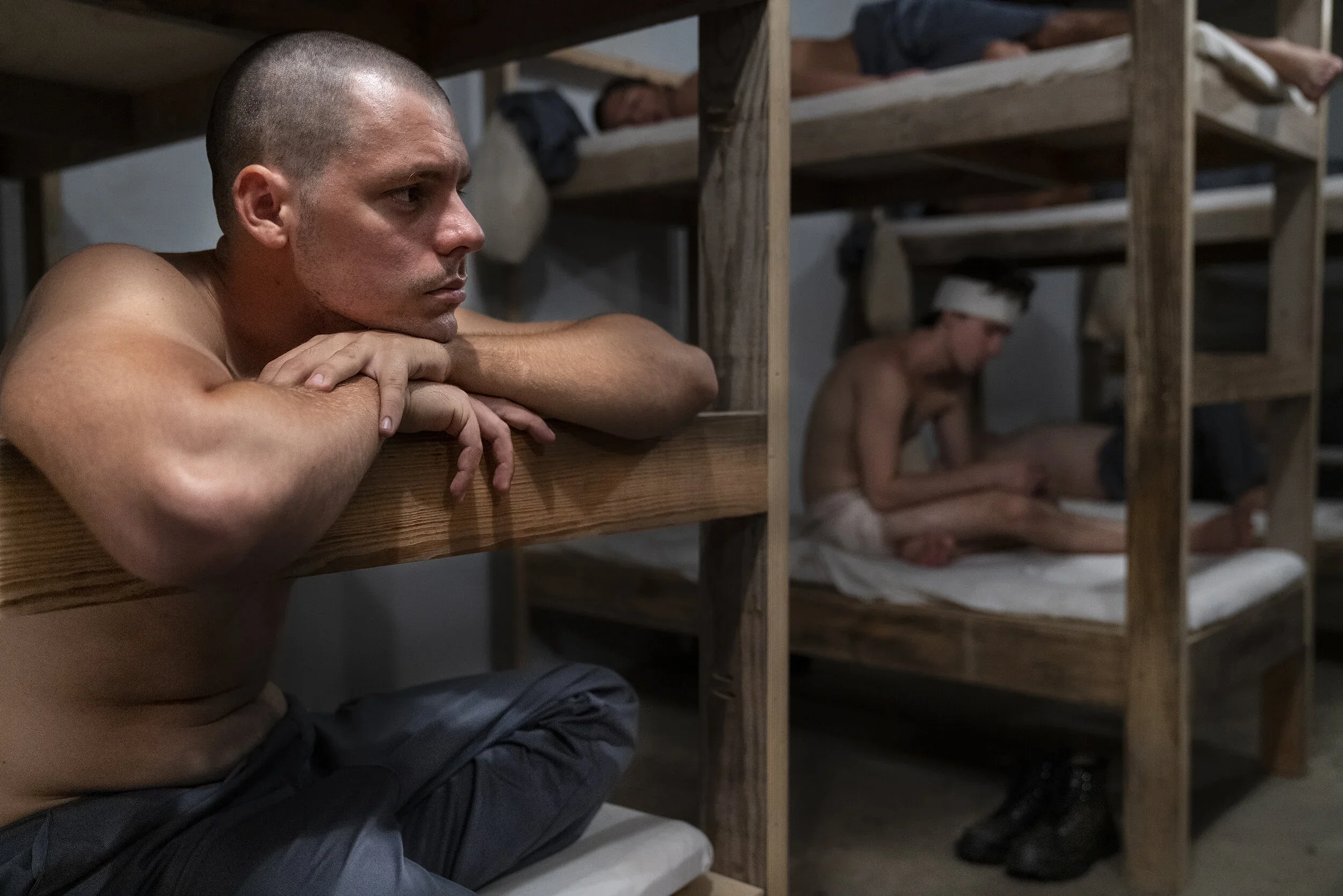
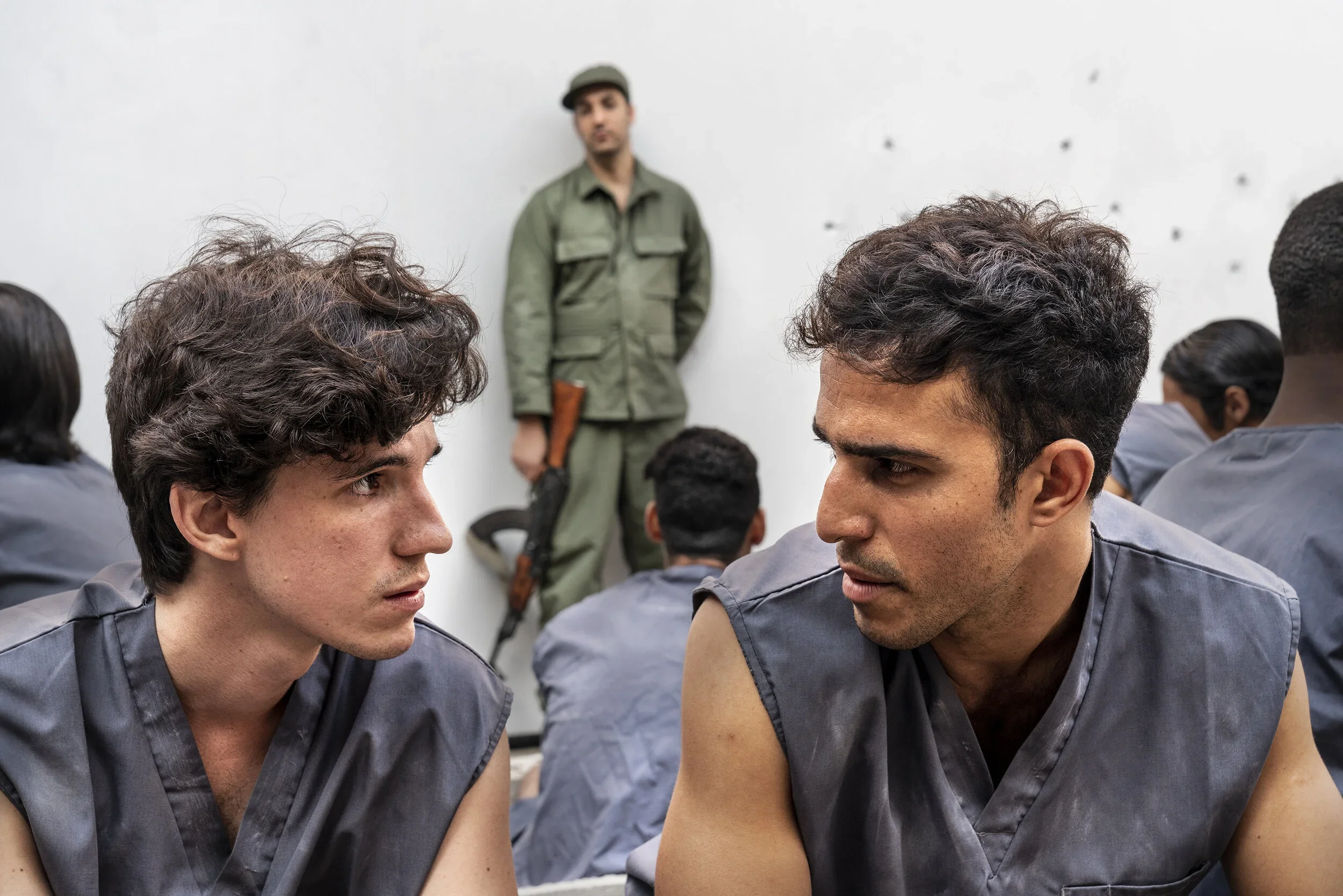
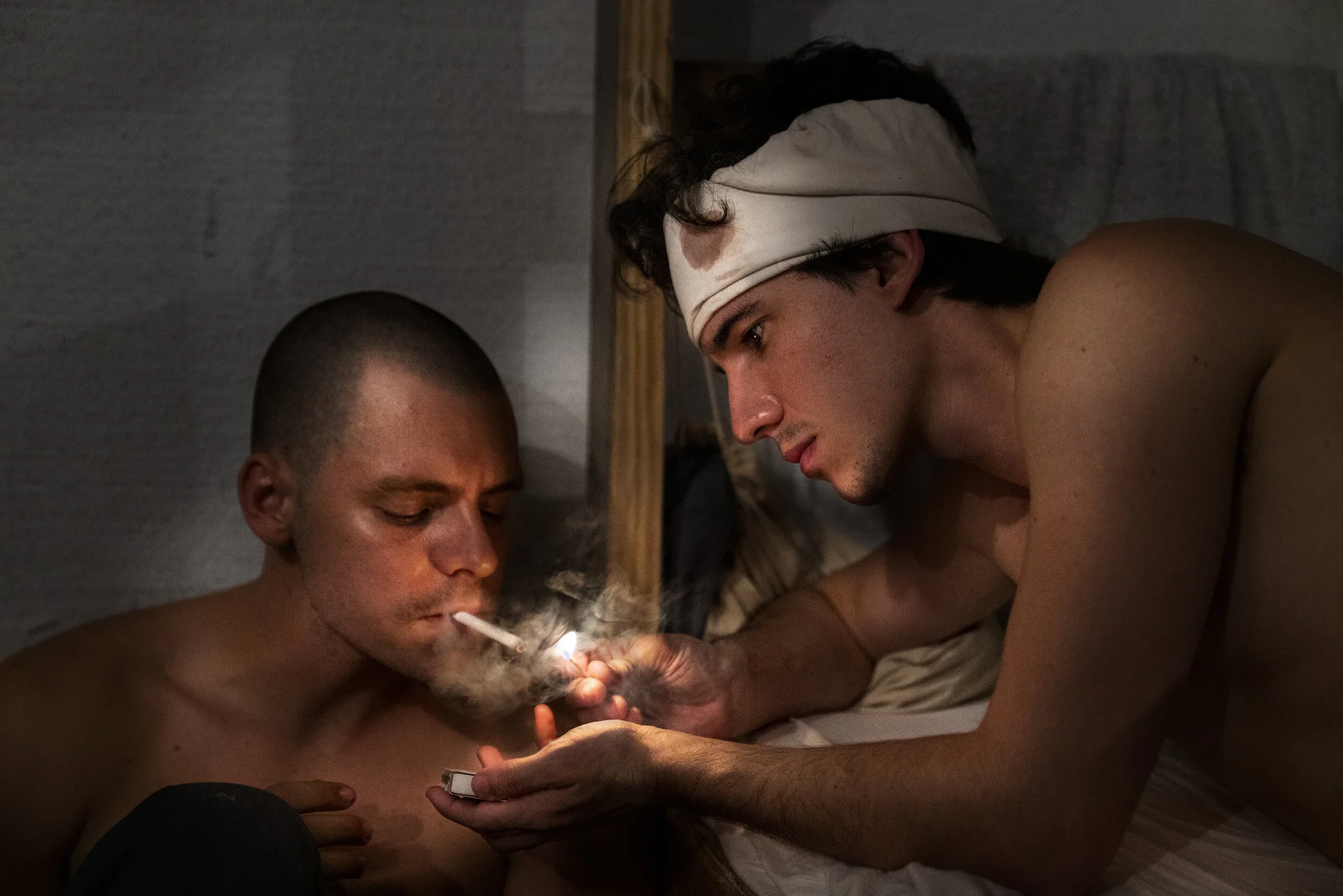

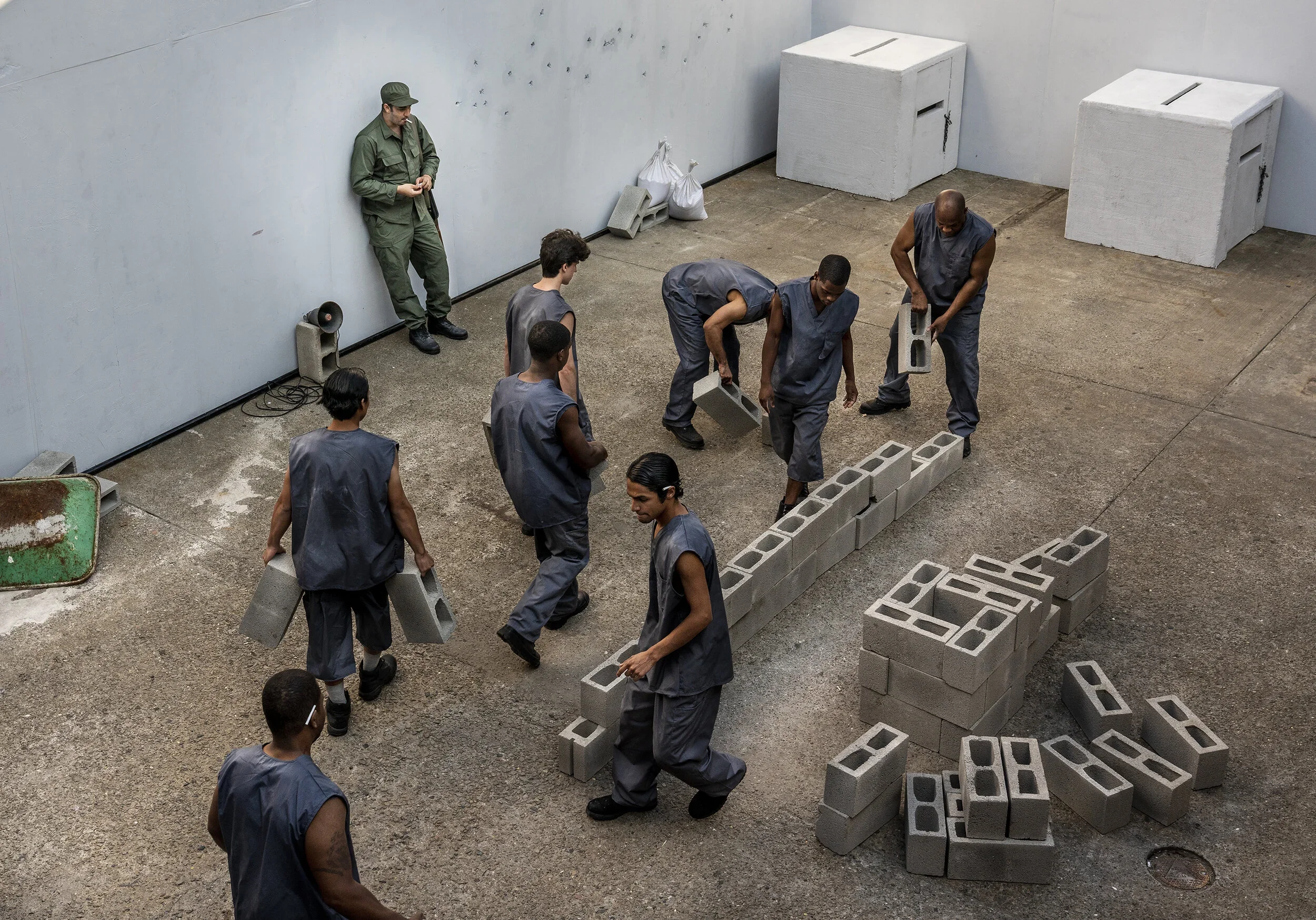
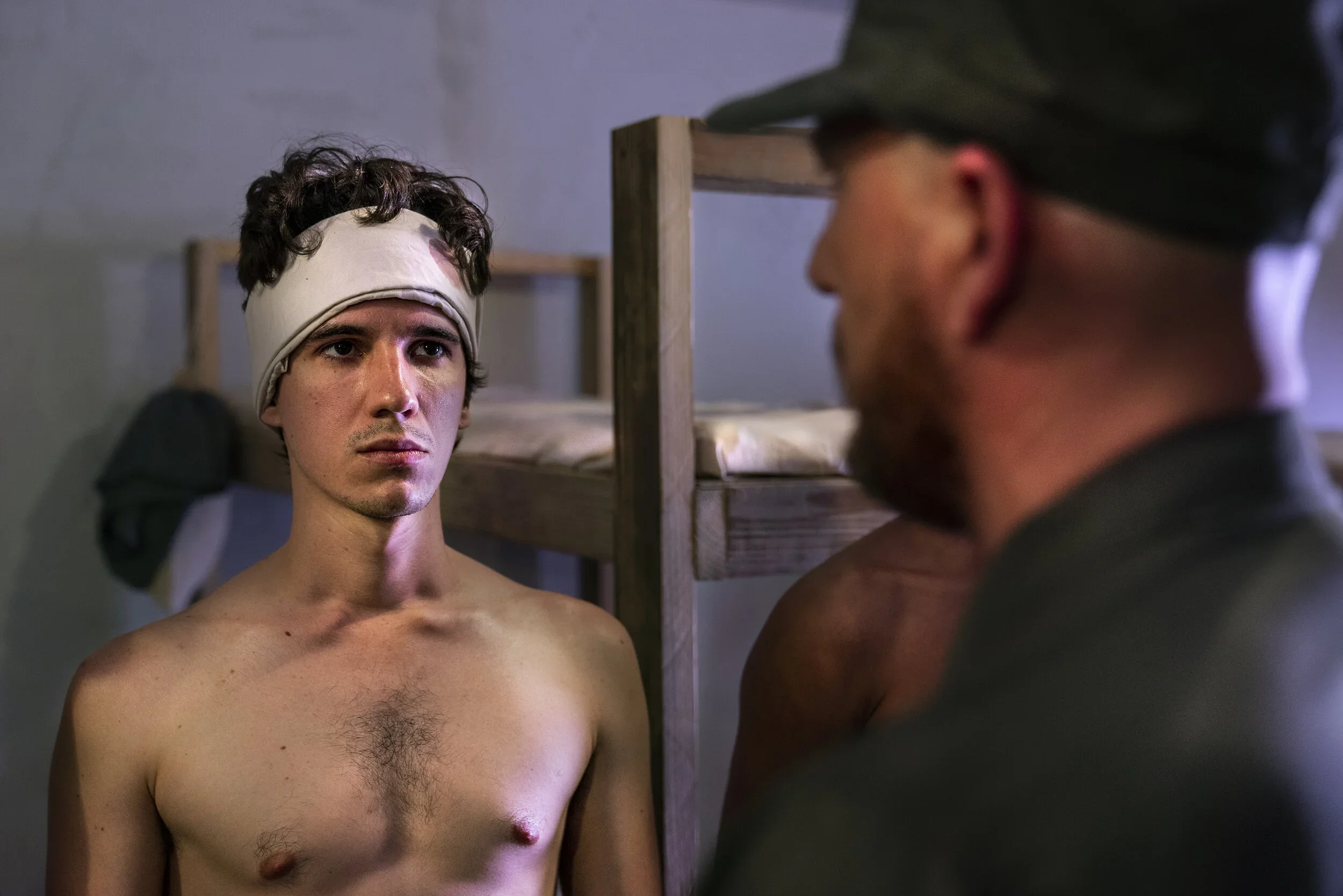
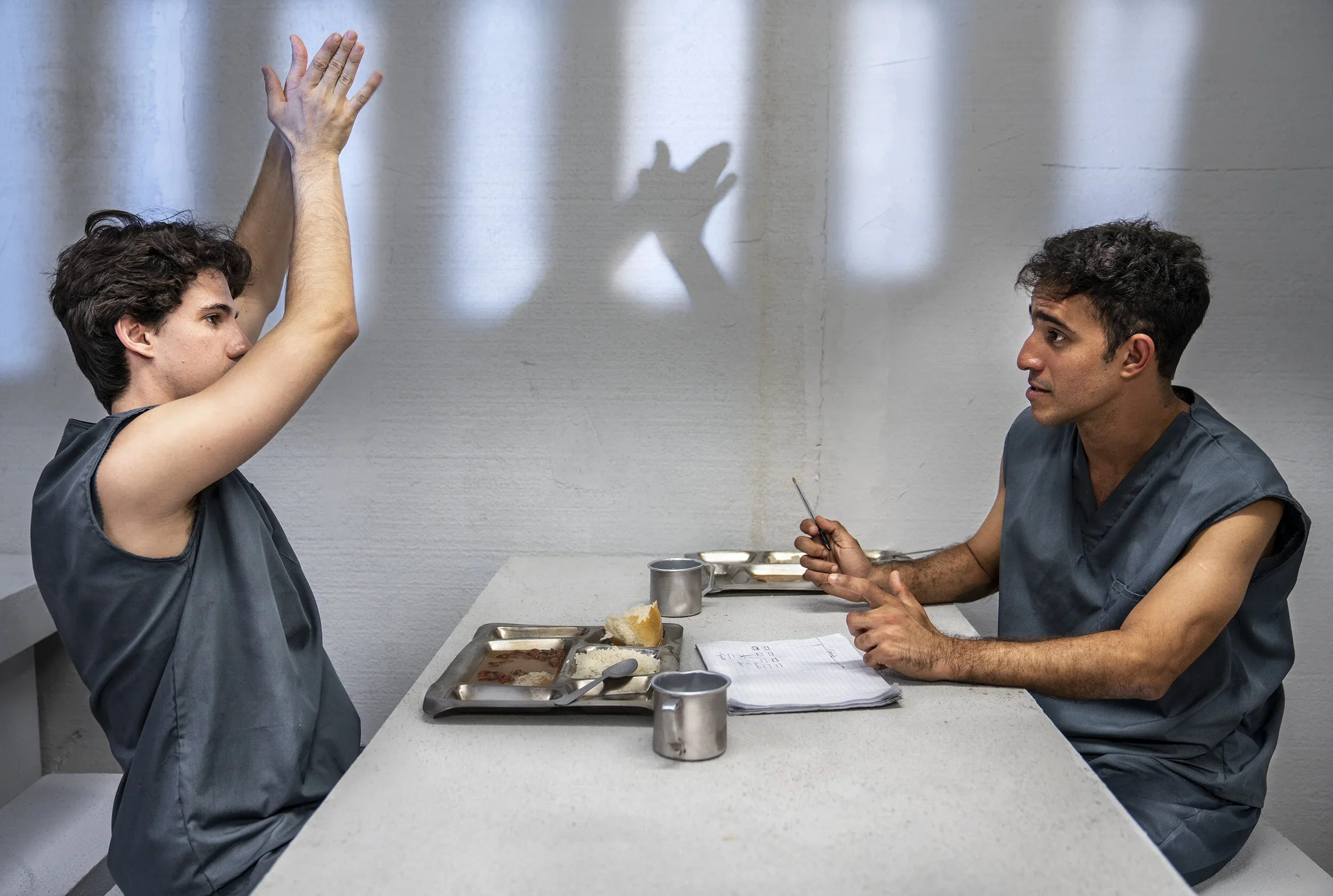
The Eternal Night is the story of three Cuban young men that were condemned for their beliefs and their creations. It is about the power of the imagination to transcend circumstance.
The film is based on the true story of Cuban writer and former political prisoner Néstor Díaz de Villegas. In 1974, Díaz de Villegas was sentenced to six years in prison for writing a poem. He was eighteen years old. Prior to his imprisonment, he had already been subjected to censure several times for his nonconformist attitudes, which were deemed by the revolutionary government to be “ideologically divergent.” “Ideological diversionism,” a term introduced by Raúl Castro in the early 1970s, functioned as a legal and moral category that criminalized dissent. It was applied to Cuban citizens considered to be too intellectual, to youths that showed interest in American popular culture and music, to those presumed to be gay or lesbian, and to religious people whose faith prevented them from performing political obedience.
The story focuses a poet who has recently arrived at the prison, a young Evangelical man from the countryside and an older actor who was accused of trying to assassinate Fidel Castro. The actor ushers them into the social world of the prisoners, showing them how to resist the authorities’ attempt to re-educate them. To enliven the prisoners’ evenings, he convinces the warden that screening films would be a more effective means of teaching inmates about the benefits of socialism and creates a cinema inside the prison.
La Noche Eterna es la historia de tres jóvenes cubanos condenados por sus creencias y sus creaciones. Trata del poder de la imaginación para trascender las circunstancias.
La película está basada en la historia real del escritor cubano y ex preso político Néstor Díaz de Villegas. En 1974, Díaz de Villegas fue condenado a seis años de prisión por escribir un poema. Tenía dieciocho años. Antes de su encarcelamiento ya había sido objeto de censura en varias ocasiones por sus actitudes inconformistas, que el gobierno revolucionario consideraba "ideológicamente divergentes". El "diversionismo ideológico", término introducido por Raúl Castro a principios de la década de 1970, funcionaba como una categoría legal y moral que criminalizaba la disidencia. Se aplicaba a los ciudadanos cubanos considerados demasiado intelectuales, a los jóvenes que mostraban interés por la cultura y la música popular estadounidense, a los presuntos homosexuales o lesbianas y a las personas religiosas cuya fe les impedía prestar obediencia política.
La historia se centra en un poeta recién llegado a la prisión, un joven campesino evangélico y un actor que fue acusado de intentar asesinar a Fidel Castro. El actor los introduce en el mundo social de los presos, mostrándoles cómo resistir el intento de reeducación de las autoridades. Para animar las tardes de los presos, convence al director de que la proyección de películas sería un medio más eficaz para enseñar a los reclusos los beneficios del socialismo y crea un cine dentro de la prisión.
THE ETERNAL NIGHT — LA NOCHE ETERNA
2023, Video, color, 70 minutes, Spanish with English subtitles
Commissioned by Sharjah Art Foundation Co-Commissionedby The Wapping Project Additional Support Latinx Artist Fellowship and Anonymous Was a Woman
Director Coco Fusco Producers Coco Fusco and David Leitner Director of Photography David Leitner Screenplay Enrique Del Risco Music Roberto Poveda
Based on testimony by Néstor Díaz de Villegas
——————————————————————
CAST
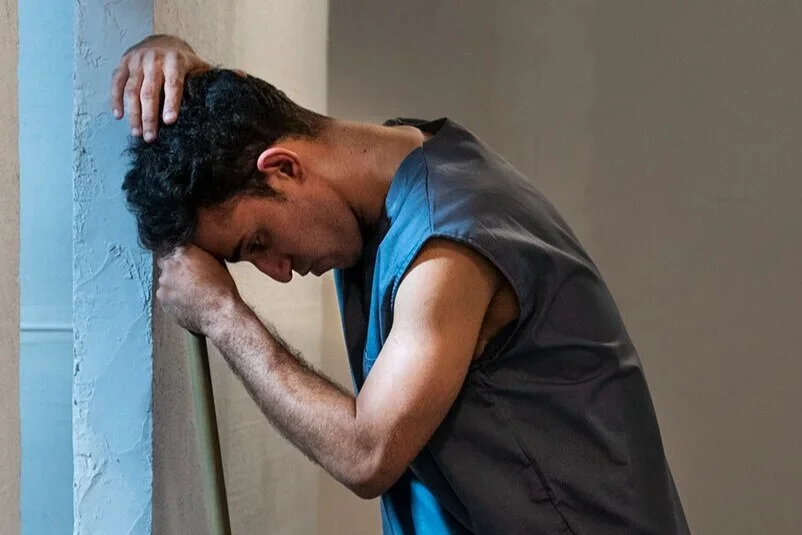
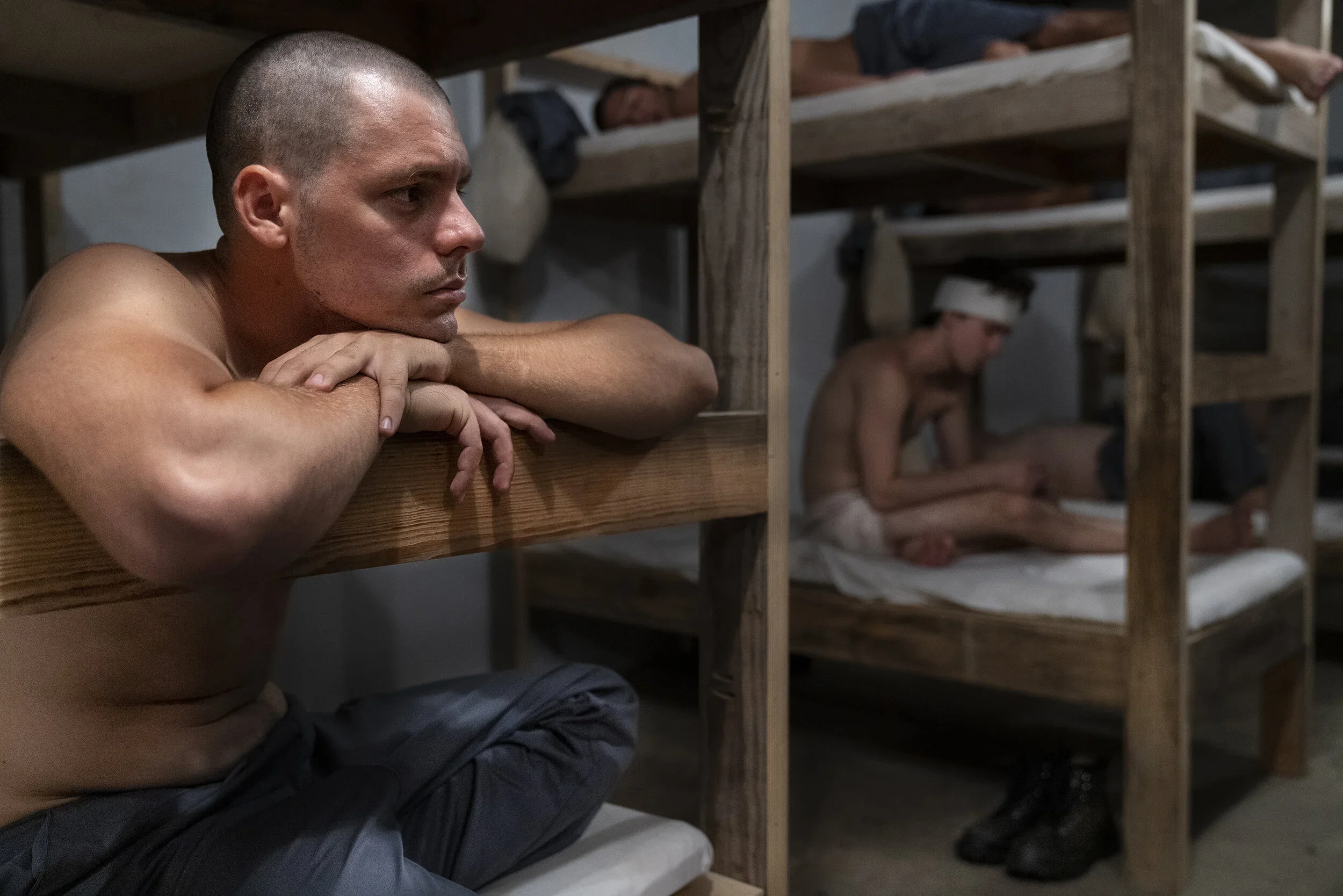
ÑECO
Luis Manuel Álvarez was born in Cuba. He is a graduate of the National Arts School and the University of the Arts in Havana. He studied Meissner method with Stephen Bayly and has also received training in the methods of Stanislavsky and Uta Hagen. He performed with Teatro el Público, Cuba’s leading post-modern company, for ten years. As a member of the cast of Antigone an Epic Continent he toured to numerous international festivals for five years. He has appeared in the following Cuban films: Platypus, Inocencia, El mayor, Lucha contra bandidos, as well as the Japanese-Cuban co-production Ernesto and the Scottish-Cuban production, Viva.
Luis Manuel Álvarez nació en Cuba. Se graduó en la Escuela Nacional de Arte y en la Universidad de las Artes de La Habana. Estudió el método Meissner con Stephen Bayly y también ha recibido formación en los métodos de Stanislavsky y Uta Hagen. Actuó durante diez años con Teatro el Público, la principal compañía posmoderna de Cuba. Como miembro del reparto de Antígona, un continente épico, realizó una gira por numerosos festivales internacionales durante cinco años. Ha aparecido en las siguientes películas cubanas: Ornitorrinco, Inocencia, El mayor, Lucha contra bandidos, así como en la coproducción japonesa-cubana Ernesto y en la producción escocesa-cubana Viva.
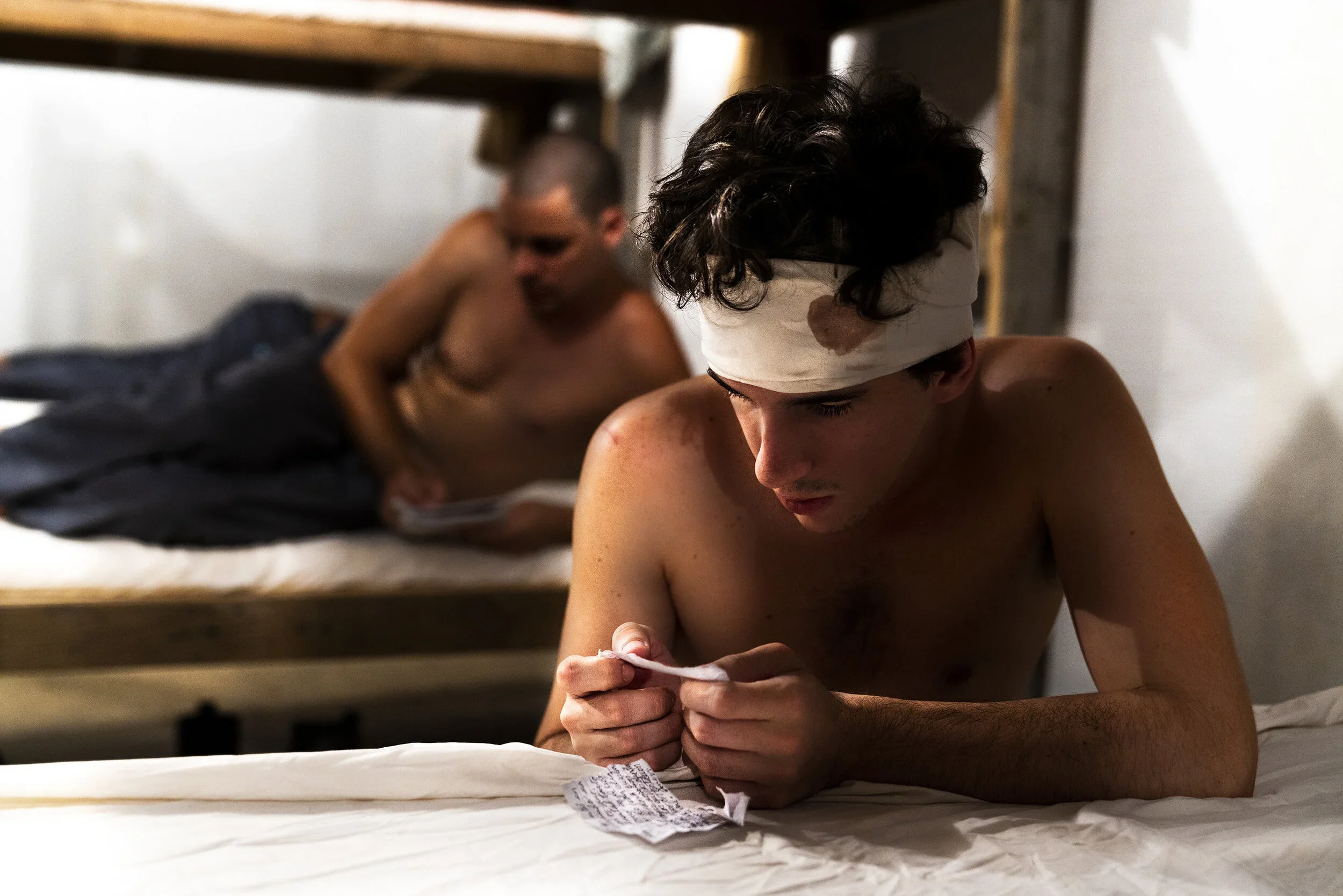
POETA
Enmanuel Galbán is a film, theater and television actor who was born in Cuba. He graduated from the National School of Art (ENA) and the University of the Arts (ISA). He has worked with the Teatro El Público, Cuba’s leading postmodern theater company, since 2012. He has starred in films such as El techo, I Love Lotus, Buscando a Casal. He has also worked in several television series, among them Vidas Cruzadas. He received the Adolfo Llauradó award for best male performance for a young actor in Cuba as well as the Golden Hummingbird Award at the Marseille Latin Film Festival for his performance in El techo. He currently works in New York and Havana.
Enmanuel Galbán es un actor de cine, teatro y televisión nacido en Cuba. Graduado de la Escuela Nacional de Arte (ENA) y del Instituto Superior de Arte (ISA). Pertenece a la compañia de Teatro El Público desde 2012. Ha protagonizado películas como El techo, I Love Lotus, Buscando a Casal. También ha trabajado de varias series de televisión, entre ellas Vidas Cruzadas. Recibió el premio Adolfo Llauradó a mejor actuación masculina (para menores de 35 años) en Cuba y también el Colibrí de Oro del Festival de cine latino de Marsella por su actuación en El techo. Actualmente trabaja en New York y La Habana.
MESÍAS
Joel Lara is a stage, film and television actor. Born in Cuba, he studied at the National Arts School (ENA) and the University of the Arts, where he received training in Stanislavsky and Meisner methods. Before moving the United States he performed with Teatro el público and appeared in the following Cuban films: Adrenalina 360, La neurona intranquila, El viajero inmóvil, Jose Martí, El ojo del canario, and Patria blanca. In the US he has worked with Nilo Cruz on Baño de Luna and Exquisita Agonia. He has also acted in Mango Season, Memorias de Desarrollo, Kendall 157 and Plantados.
Joel Lara es un actor de teatro, cine y televisión nacido en Cuba. Estudió en la Escuela Nacional de Arte (ENA) y en la Universidad de las Artes, donde se formó en el método Stanislavsky y la técnica Meisner. Antes de mudarse a los EEUU trabajó con la compañia Teatro el Público y apareció en las siguientes películas cubanas: Adrenalina 360, La neurona intranquila, El viajero inmóvil, José Martí, El ojo del canario, y Patria blanca. En los EEUU ha trabajado con Nilo Cruz en Baño de Luna y Exquisita Agonia. También ha actuado en las siguientes producciones cinematográficas: Mango Season, Memorias de Desarrollo, Kendall 157 y Plantados.
ADDITIONAL CAST
GUARDS DOUGLAS ARGUELLES CRUZ, RIK CASTILLO, ELVIS FUENTES, ARMANDO SUAREZ COBIÁN PRISONERS THOMAS ALLOTEY, DANNY ANDRADE, CARLOS BAEZ, SHO CARROLL, CLARENCE DEMESIER, AURELIO FUSCO, JERSON GIRON, SPENCER GONZALEZ, REINALDO HERNANDEZ PILAR, DANIEL JORDAN, SHAWN LEDBETTER, JYMIL LITTLES, CARLOS NAVARRO, JUAN ORTIZ, DHANE PEARLEY, DAVID JAKE RODRIGUEZ, RAFAEL RODRIGUEZ, STANLEY WHITAKER
————————————————————
PRODUCTION TEAM
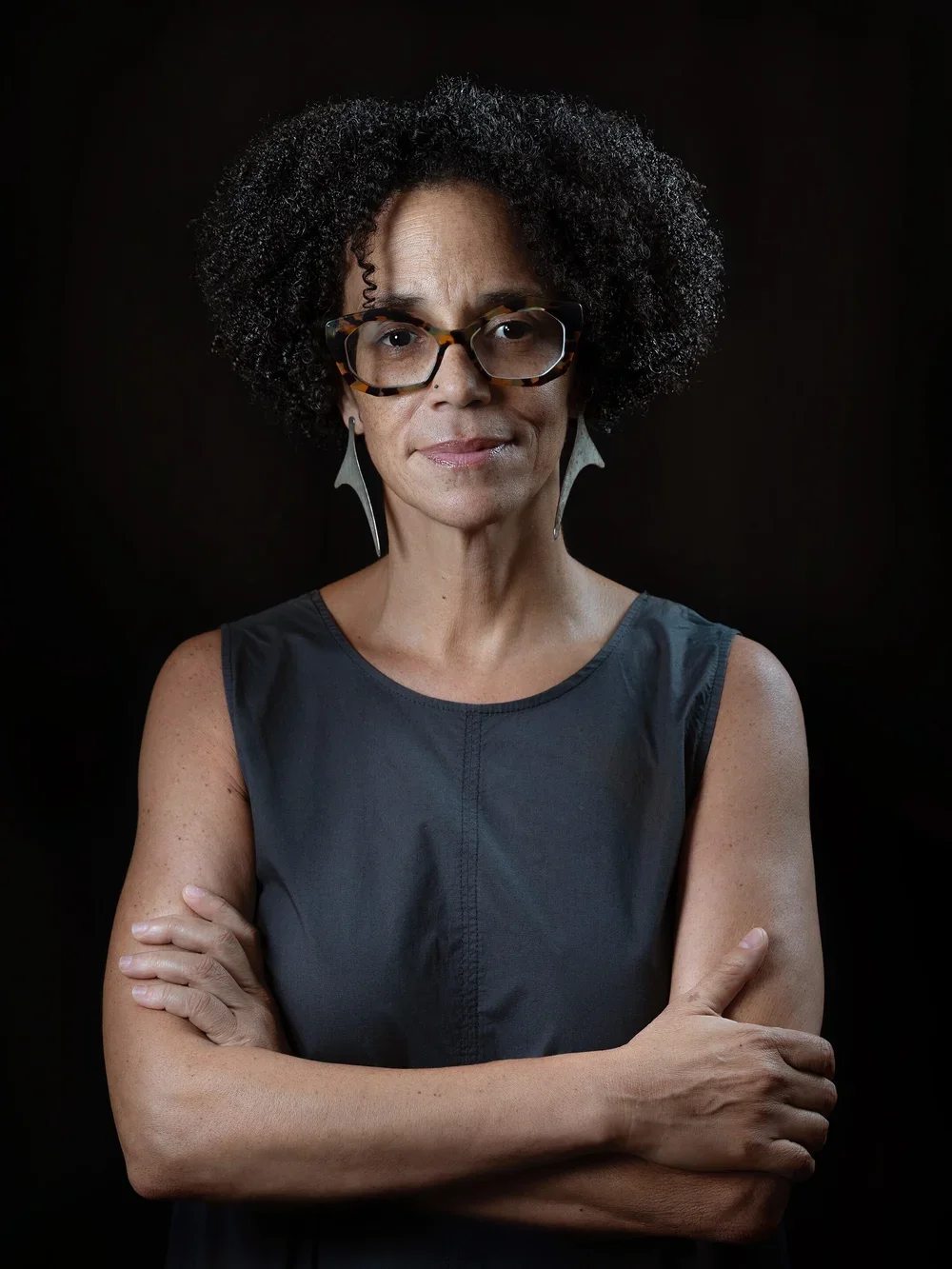
DIRECTOR & COPRODUCER
Coco Fusco is an interdisciplinary artist and writer. She is a recipient of a 2021 American Academy of Arts and Letters Arts Award, a 2021 Latinx Artist Fellowship, a 2018 Rabkin Prize for Art Criticism, a 2016 Greenfield Prize, a 2014 Cintas Fellowship, a 2013 Guggenheim Fellowship, a 2013 Absolut Art Writing Award, a 2013 Fulbright Fellowship, a 2012 US Artists Fellowship and a 2003 Herb Alpert Award in the Arts. Fusco's performances and videos have been presented in the 56th Venice Biennale, Frieze Special Projects, Basel Unlimited, three Whitney Biennials (2022, 2008, and 1993), and several other international exhibitions. Her works are in the permanent collections of the Museum of Modern Art, The Art Institute of Chicago, The Whitney Museum, The Walker Art Center, the Centre Pompidou, the Imperial War Museum, and the Museum of Contemporary Art of Barcelona. She is represented by Alexander Gray Associates in New York. She is a Professor of Art at Cooper Union. Fusco is the author of Dangerous Moves: Performance and Politics in Cuba (2015). She is also the author of English is Broken Here: Notes on Cultural Fusion in the Americas (1995) The Bodies that Were Not Ours and Other Writings (2001), and A Field Guide for Female Interrogators (2008). She is the editor of Corpus Delecti: Performance Art of the Americas (1999) and Only Skin Deep: Changing Visions of the American Self (2003). She contributes regularly to The New York Review of Books and numerous art publications. Fusco received her B.A. in Semiotics from Brown University (1982), her M.A. in Modern Thought and Literature from Stanford University (1985) and her Ph.D. in Art and Visual Culture from Middlesex University (2007).
DIRECTORA & CO-PRODUCTORA
Coco Fusco es artista interdisciplinar y escritora. Ha recibido el Premio de las Artes 2021 de la Academia Estadounidense de las Artes y las Letras, la Beca Latinx Artist 2021, el Premio Rabkin de Crítica de Arte 2018, el Premio Greenfield 2016, la Beca Cintas 2014, la Beca Guggenheim 2013, el Premio Absolut Art Writing 2013, la Beca Fulbright 2013, la Beca US Artists 2012 y el Premio Herb Alpert de las Artes 2003. Las performances y vídeos de Fusco se han presentado en la 56ª Bienal de Venecia, Frieze Special Projects, Basel Unlimited, tres Bienales del Whitney (2022, 2008 y 1993) y varias otras exposiciones internacionales. Sus obras forman parte de las colecciones permanentes del Museo de Arte Moderno, el Instituto de Arte de Chicago, el Museo Whitney, el Walker Art Center, el Centro Pompidou, el Museo Imperial de la Guerra y el Museo de Arte Contemporáneo de Barcelona. Está representada por Alexander Gray Associates en Nueva York. Es profesora de arte en Cooper Union. Fusco es autora de Dangerous Moves: Performance and Politics in Cuba (2015). También es autora de English is Broken Here: Notes on Cultural Fusion in the Americas (1995), The Bodies that Were Not Ours and Other Writings (2001) y A Field Guide for Female Interrogators (2008). Es editora de Corpus Delecti: Performance Art of the Americas (1999) y Only Skin Deep: Changing Visions of the American Self (2003). Colabora regularmente con The New York Review of Books y numerosas publicaciones de arte. Fusco es licenciada en Semiótica por la Universidad de Brown (1982), máster en Pensamiento Moderno y Literatura por la Universidad de Stanford (1985) y doctora en Arte y Cultura Visual por la Universidad de Middlesex (2007).
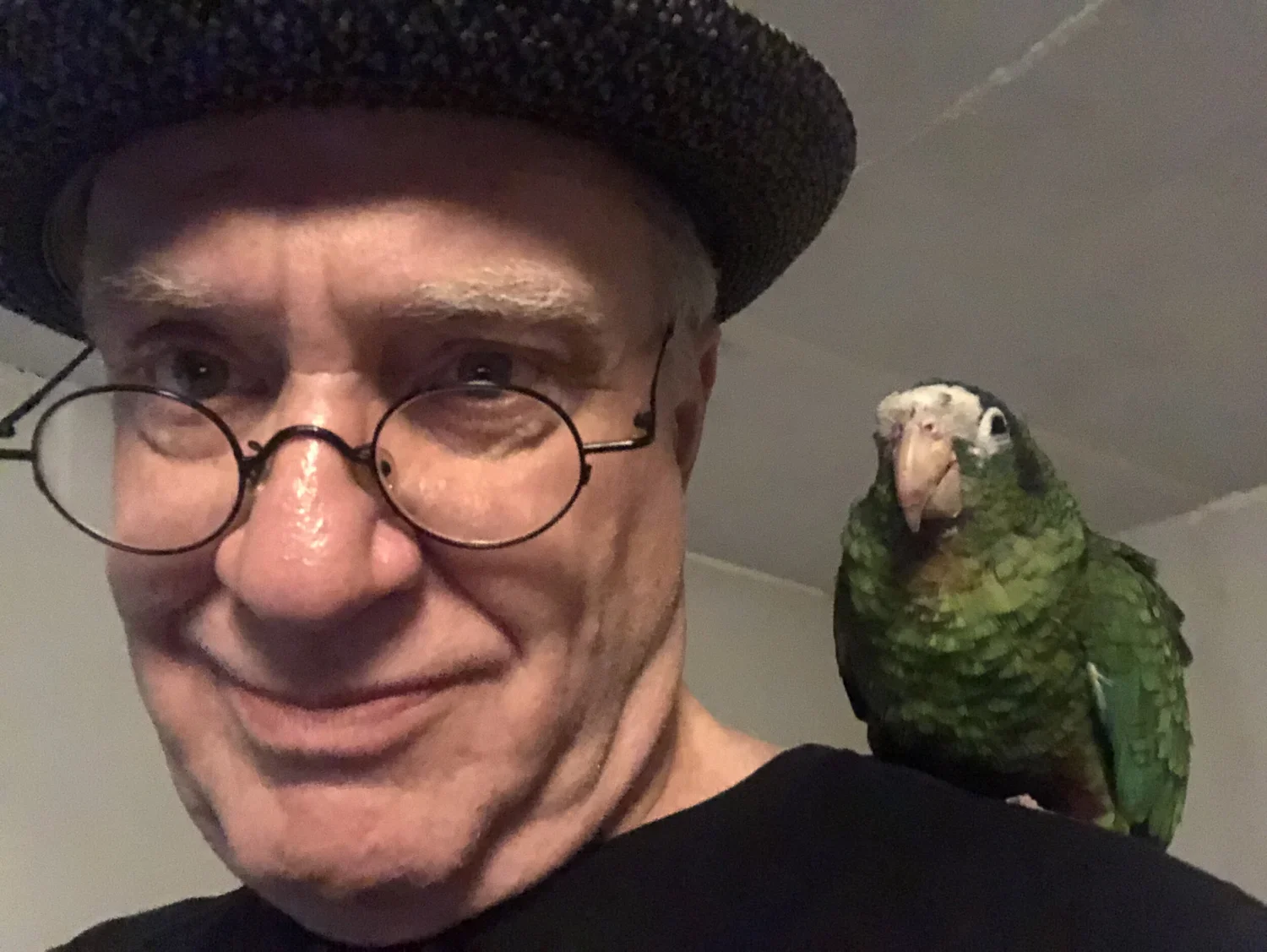
DIRECTOR OF PHOTOGRAPHY & CO-PRODUCER
David Leitner is an Oscar-nominated producer and Emmy-nominated cinematographer based in New York with over ninety credits in independently produced dramas and documentaries. He produced Havana-based director Miguel Coyula's award-winning Memorias del desarrollo (English title: Memories of Overdevelopment), adapted from novelist Edmundo Desnoes’s sequel to his Memorias del subdesarrollo, which premiered at the 2010 Sundance Film Festival. In 1987, during the inaugural year of La Escuela Internacional de Cine y TV in San Antonio de los Baños, Leitner joined Jean-Claude Carrière and Gabriel Garcia Marquez as a special instructor. His lectures there were collected and published in Cuba as a book, En algún lugar del arcoiris: tratados de las nuevas tecnologías aplicadas al cine.
David Leitner es un productor y director de fotografía residente en Nueva York, nominado a los premios Oscar y Emmys, y que ha participado en más de noventa producciones de ficción y documentales. Produjo el premiado film Memorias del desarrollo del director cubano Miguel Coyula, estrenado en el Festival de Sundance en 2010. En 1987, junto con Jean-Claude Carrière and Gabriel Garcia Marquez, fue instructor especial de La Escuela Internacional de Cine y TV in San Antonio de los Baños. Sus seminarios fueron recopilados y publicados en Cuba en un libro titulado En algún lugar del arcoiris: tratados de las nuevas tecnologías aplicadas al cine.Whatever it is, the way you tell your story online can make all the difference.
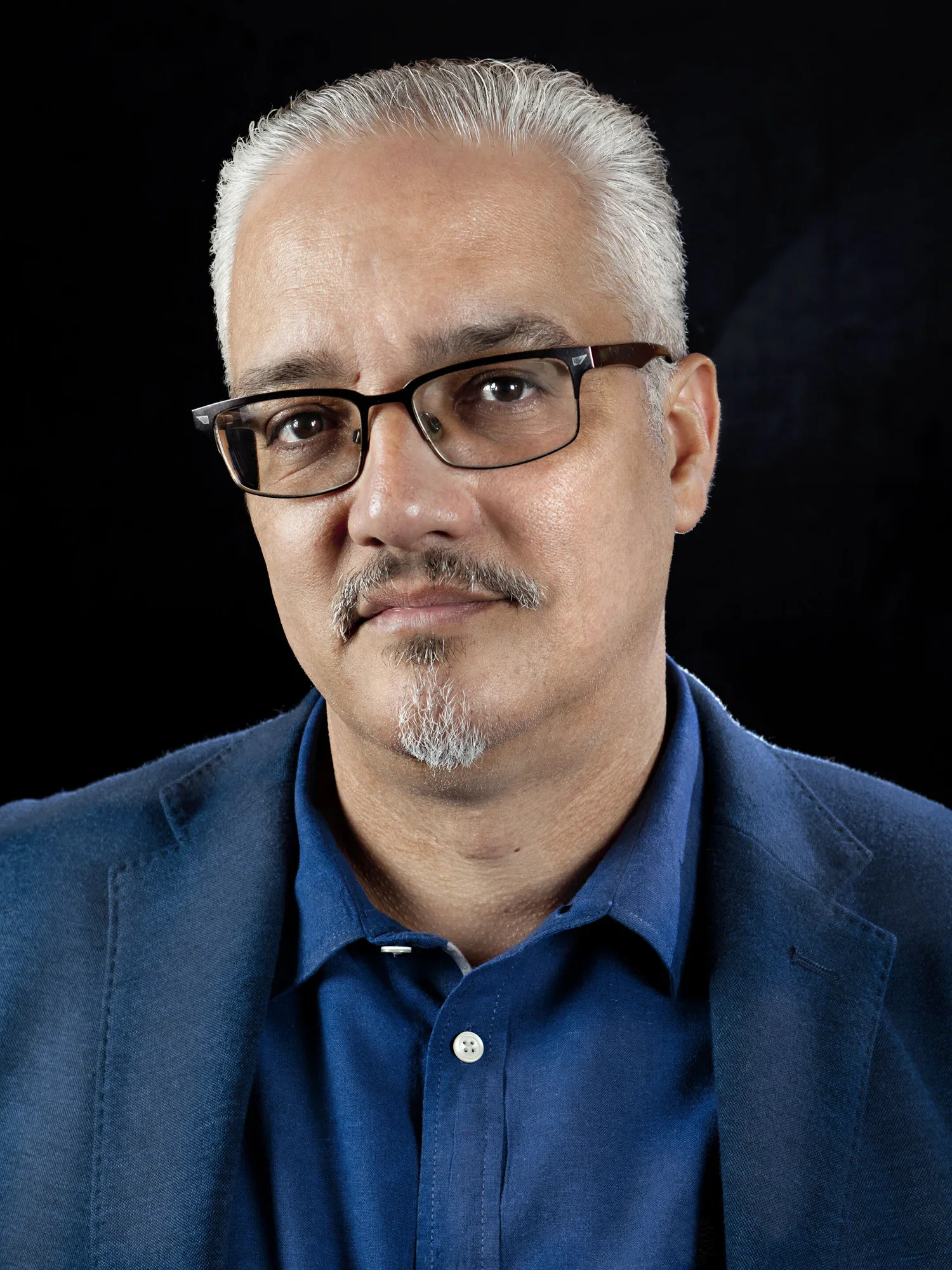
SCREENPLAY
Enrique Del Risco is a Bachelor in History (University of Havana, 1990) and Ph.D. in Latin American Literature at New York University, 2005. Del Risco is autor of several fiction books such as Pérdida y recuperación de la inocencia (La Habana, 1994), Lágrimas de cocodrilo (Cádiz, 1998), Leve Historia de Cuba (Los Ángeles, 2007) and ¿Qué pensarán de nosotros en Japón? (Sevilla, 2008), a short stories collection winner of the “Cortes de Cádiz” Ibero American prize. His novel Turcos en la niebla won the XX Fernando Quiñones Unicaja Novel Prize in 2018 and was published in 2019 by Alianza Editorial He also has been co-editor of the Caribbean and North American short stories anthology Pequeñas resistencias 4, Editorial Páginas de Espuma and editor of the anthology El compañero que me atiende (Madrid, 2017). He also has published a memoir Siempre nos quedará Madrid (New York, 2012) and two collections of satirical essays: El Comandante ya tiene quien le escriba (Miami, 2003) and Enrisco para presidente (New York, 2014). Currently Mr. Del Risco a senior lecturer at the Department of Spanish and Portuguese at NYU.
Enrique Del Risco es Licenciado en Historia (Universidad de La Habana, 1990) y Ph.D. en Literatura Latinoamericana de la Universidad de Nueva York, 2005. Del Risco es autor de varios libros de ficción como Pérdida y recuperación de la inocencia (La Habana, 1994), Lágrimas de cocodrilo (Cádiz, 1998), Leve Historia de Cuba (Los Ángeles, 2007) y ¿Qué pensarán de nosotros en Japón? (Sevilla, 2008), colección de relatos ganadora del V Premio Iberoamericano “Cortes de Cádiz”. Su novela Turcos en la niebla ganó el XX Premio Fernando Quiñones Unicaja de Novela en 2018 y fue publicada en 2019 por Alianza Editorial. También ha sido coeditor de Pequeñas resistencias 4: Antología del Nuevo Cuento Norteamericano y Caribeño (Madrid, 2005) y editor de la antología El compañero que me atiende (Madrid, 2017). También ha publicado las memorias Siempre nos quedará Madrid (Nueva York, 2012) y dos colecciones de ensayos satíricos: El Comandante ya tiene quien le escriba (Miami, 2003) y Enrisco para presidente (Nueva York, 2014). Actualmente trabaja como senior lecturer en el Departamento de Español y Portugués de NYU.
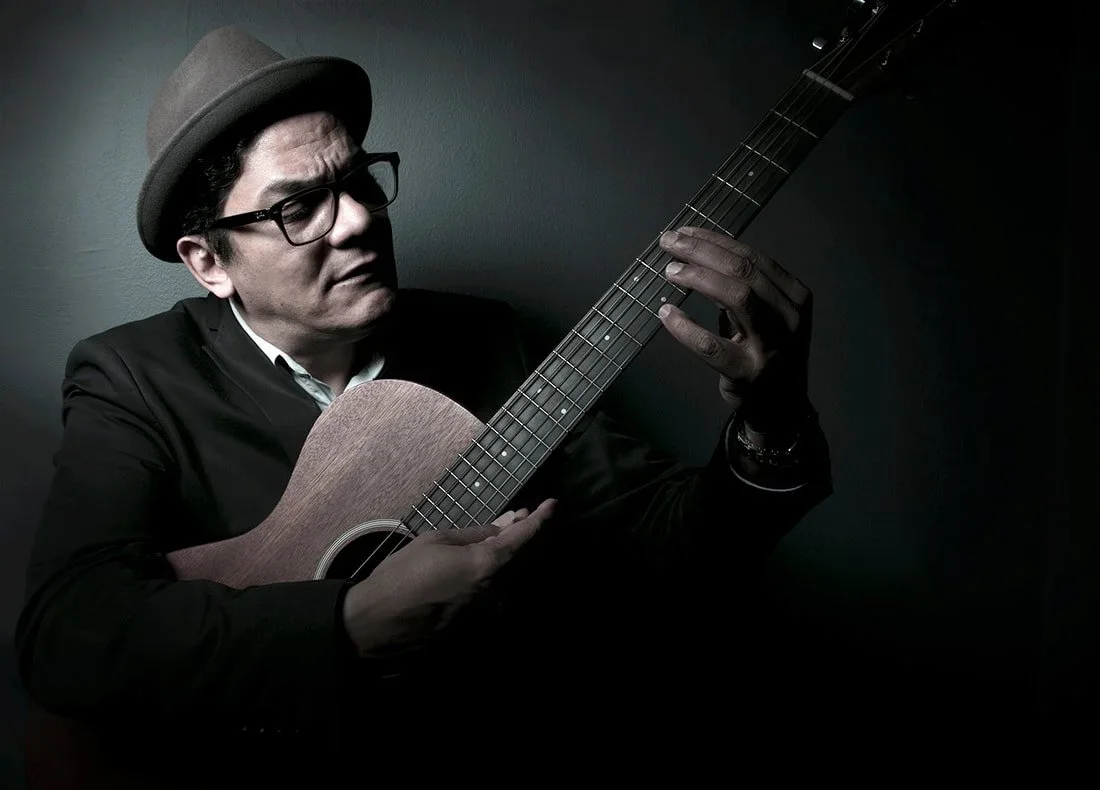
MUSIC
Roberto Poveda is a composer and musician based in New York. Born in Cuba, Poveda trained as a musician and actor there before departing to Colombia, where he spent eight years writing, singing and acting in musical theater and television. After that Poveda relocated to Miami, where he produced a catalogue of over one hundred songs for the Latin publisher Peermusic. He went on to record Son Eléctrico (2004), and one of its songs, Sueño Mama, was selected byPutumayo World Records for the compilation Latin Lounge (2006). His voice is part of the music works of Cuban violinist Alfredo Triff, with whom he recorded Boleros Perdidos (2006), DadaSon(2009) and Miami Untitled (2013). In New York, Poveda had collaborated with jazz visionary and producer Kip Hanrahan, in At Home in Anger (2012), and performed with the band Beautiful Scars at Ljubljana (Slovenia) and Lugano (Switzerland) Jazz Festivals (2010). Poveda also joined forces with Fima Ephron (Screaming Headless Torsos, Lost Tribe) with whom he collaborated on Brooklyn Nights (2012). In 2016, Roberto Poveda returned to Bogota, Colombia to produce the EP Destino Manifiesto (2017).
Roberto Poveda es un compositor y músico afincado en Nueva York. Nacido en Cuba, Poveda se formó allí como músico y actor antes de marcharse a Colombia, donde pasó ocho años escribiendo, cantando y actuando en teatro musical y televisión. Posteriormente, Poveda se trasladó a Miami, donde produjo un catálogo de más de cien canciones para la editorial latina Peermusic. Llegó a grabar Son Eléctrico (2004), y una de sus canciones, Sueño Mama, fue seleccionada por Putumayo World Records para el recopilatorio Latin Lounge (2006). Su voz forma parte de la obra musical del violinista cubano Alfredo Triff, con quien grabó Boleros Perdidos (2006), DadaSon (2009) y Miami Untitled (2013). En Nueva York, Poveda había colaborado con el visionario del jazz y productor Kip Hanrahan, en At Home in Anger (2012), y actuó con la banda Beautiful Scars en los festivales de jazz de Liubliana (Eslovenia) y Lugano (Suiza) (2010). Poveda también unió fuerzas con Fima Ephron (Screaming Headless Torsos, Lost Tribe) con quien colaboró en Brooklyn Nights (2012). En 2016, Roberto Poveda regresó a Bogotá, Colombia, para producir el EP Destino Manifiesto (2017).
CREW
ASSISTANT DIRECTOR JUDITH KENNY ASSISTANT CAMERA MARK FORMAN PRODUCTION MANAGER LORENA VALENCIA SOUND RAYMEL CASAMAYOR GAFFER BRIAN MORGAN GRIP BRENDON SLATTERY SCRIPT SUPERVISOR TONY CASTINEYRA SET FABRICATION SUNSET PARK FABRICATIONS AND DOUGLAS ARGUELLES CRUZ PROP MASTER SANDRA CORDERO COSTUMES LAURA TEXTER PRODUCTION ASSISTANTS SULIYA GISELE, MATTHEW GILL, JEREMY HARRIS, CHRISTINA PRYCE
POST-PRODUCTION
EDITOR JESSIE STEAD SOUND DESIGN ROBERTO FERNANDEZ AND HARBOR SOUND ANIMATION MELISSA BROWN AND BRIAN LUNA COLOR DAVID LEITNER SUBTITLES MARÍA CRUZ ALARCÓN
MUSIC ROBERTO POVEDA, LARS HAAKE AND LAYTON WEEDEMAN
PHOTOS GEANDY PAVÓN
FILMED AT 1896 STAGES IN BROOKLYN
————————————————————
This project was commissioned by Este proyecto fue comisionado por